
Two sides of the same contract.
We structure power purchase agreements from both ends of the deal, in Great Britain and across international markets. Generators who need a route to market for the energy they sell, and businesses who want clean power at a price they can plan around.
You have power to sell.
Whether the asset is newly built, coming off subsidy, or on a PPA that runs out next year, the value sits in how the contract is structured and who you take it to.
- Route to market for new build, post-subsidy and re-contracting assets
- Competitive tenders run across the offtaker market, not a single relationship
- Extension terms negotiated before you are up against the clock
- REGOs, embedded benefits and balancing terms priced properly
You have power to buy.
A PPA can hold a large part of your electricity cost still for a decade and back it with real generation. It can also lock you into the wrong shape for a decade. The structure is the decision.
- Long-term clean supply at a fixed, indexed or collared price
- On-site, sleeved and virtual structures compared on your actual consumption
- Generators and suppliers matched to your load shape and credit position
- Terms reviewed before signature, including the clauses that bite later
Six things, done properly.
Route to market »
Competitive tenders for new build, post-subsidy and re-contracting assets, power and biomethane.
Corporate PPAs »
On-site and off-site, physical and virtual, compared against your own consumption.
Fully matched supply »
Hourly matched clean power, structured end to end with the gaps measured and disclosed, from about 2 GWh.
Contract structuring »
Price, volume risk, REGOs, embedded benefits, credit and termination, negotiated not accepted.
Extensions and renewals »
Incumbent offers benchmarked against what the wider market would pay.
Contract management »
Settlement checks, indexation reviews and extension planning after signature.
Three ways a power purchase agreement is put together.
Most conversations start with a preference and end somewhere else. The right structure depends on your site, your load shape, your accounting treatment and how much basis risk you are willing to carry.
On-site
Generation behind the meter, on your roof or on adjacent land. No network charges on the power you use, but you are tied to the site and to what the roof can carry.
Sleeved
Power generated elsewhere and delivered through a licensed supplier to your meters. Physical, traceable, and the structure most large buyers land on.
Virtual
A financial contract for difference against a reference price, settled separately from your supply. Flexible across a portfolio, but it is a hedge and it is accounted for as one.
Follow the power. Then follow the money.
The three structures sound similar and behave completely differently. Pick one and watch where the electricity goes, and where it does not.
Swipe the diagram on a small screen
Clean power at three in the morning, not just on an annual certificate.
Conventional green supply is settled once a year. You consume a year of power, you retire a year of certificates, and the two never have to have happened at the same time. Matched supply settles hour by hour instead, against named generating assets that were actually running when you were actually drawing, with storage used to move surplus into the hours that need it.
1 The problem: one asset, one day
2 The answer: hourly matching
76% hourly coverage
On this illustrative day, 76% of consumption is met by generation running in the same hour, and four of the 24 hours are covered in full.
This is the number the market is moving towards. Many businesses report 100% renewable power on an annual basis, yet in any given hour a large share of their consumption is not matched to carbon-free generation. That gap is rarely visible. Hourly matching closes that gap and, just as importantly, measures it.
Solar and wind do most of the work. Battery storage and other flexibility fill the shoulders, capturing surplus generation in the middle of the day and dispatching it into the evening peak. Whatever is left is covered by certificates, so the annual position stays fully renewable while the hourly position is evidenced, not assumed.
No stack covers every hour of every year, and if someone tells you otherwise, ask to see the hours. The gaps should be measured, disclosed and getting smaller each year.
If you are buying
An hourly record of where your power came from, asset by asset, and a coverage figure you can report and improve year on year. That is a materially stronger position than an annual certificate and it survives the questions that get asked about one. We can match from about 2 GWh a year upward, which reaches a long way further down than most people expect. Additionality, where generation is contracted specifically against your load, starts from around 20 GWh.
If you are generating
A market that pays for shape. In an annual certificate market, a megawatt hour at four in the morning is worth exactly the same as one at noon. In a matched market it is worth more, because it fills an hour that is otherwise hard to cover. Good news for hydro, anaerobic digestion, storage and anything dispatchable.
Corporate PPAs across GB, Europe and international markets.
A virtual PPA in Texas and a sleeved PPA in Yorkshire are recognisably the same idea. What differs is the certificate regime, how the reference price is set, who carries the network cost and what your auditors will accept. Getting that wrong is expensive, and it is usually only discovered years in.
Great Britain and Ireland
Our home market and where our depth is. REGOs, embedded benefits, half-hourly settlement, supplier sleeving and the regulatory change that keeps rewriting the value of a contract mid-term.
Continental Europe
Guarantees of Origin, cross-border transfer where the market permits it, and national rules that vary considerably more than a European framework suggests they should.
North America
RECs and hub-settled virtual PPAs, where the live question is usually basis between the project node and the load zone more than the headline strike price.
Elsewhere
I-RECs where there is no domestic certificate scheme, and structures built around whatever the local market will actually support, not what it ought to.
We are not local everywhere and we do not claim to be. Where we are not, we work alongside people who are, and we tell you who they are and how they are paid.
Businesses we have placed work with.
We are not tied to any of them, and no panel obliges us to use one over another.




Licence exempt supply and P442
Licence exempt supply lets a generator sell power directly to a consumer without holding a full supply licence, creating a second revenue stream alongside a standard PPA. P442 lets those exempt volumes be reported separately, so they can be kept out of the EMR levies charged to licensed suppliers. Elexon’s interim process closed to existing users on 31 October 2026, and businesses now want as much P442 supply as they can contract.
P442 exempt supply → How exempt supply works →What Export Energy is.
Export Energy is an independent energy strategy and PPA structuring firm, a trading name of FCMC Ventures Ltd, company number 14606446, based in Southport, England. It works both sides of the contract: route to market and offtake for renewable generators, and long-term clean supply for large energy users, across Great Britain and Ireland, continental Europe, North America and other international markets. On-site and off-site, physical and virtual, power and biomethane.
The firm runs competitive tenders for solar, wind, hydro, anaerobic digestion, biomethane and battery storage assets, including new build, post-subsidy and re-contracting. For buyers it structures on-site, sleeved and virtual corporate PPAs, and builds fully matched supply positions across a private market and hourly matched 24/7 carbon-free generation. It works with loads from about 2 GWh a year upward, with additionality available from around 20 GWh.
A note on the name. Export Energy is a company. It is not the Smart Export Guarantee, and not a domestic solar export tariff. If you are a householder looking to be paid for electricity your panels export to the grid, that is the SEG and your supplier administers it. Export Energy works at commercial and industrial scale. If you own a commercial solar, wind, hydro or AD site and want to know how to sell your energy, start with our guide to selling the power you export.
One firm, two clients, one contract between them.
For the generator
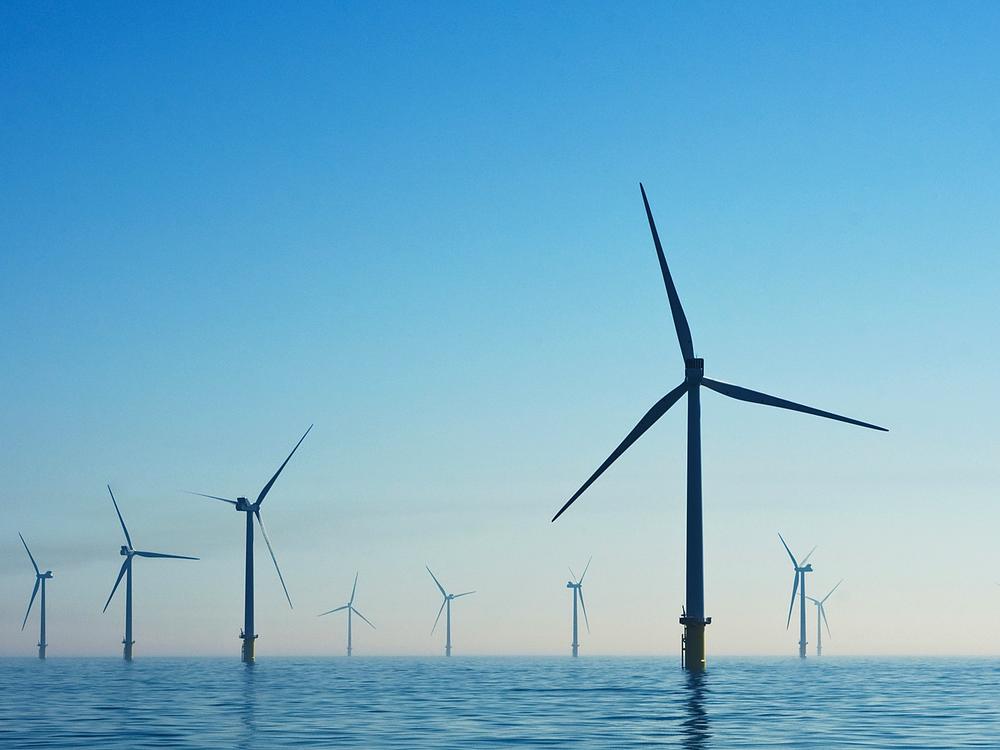
Your output goes to a market, not to one relationship. We define the proposition, take it to the offtakers who will realistically price it, and run it as a competitive process with a deadline on it.
Then we negotiate the terms that decide what you actually receive: volume tolerance, REGO treatment, embedded benefits, credit support and what happens when prices go negative.
For the buyer
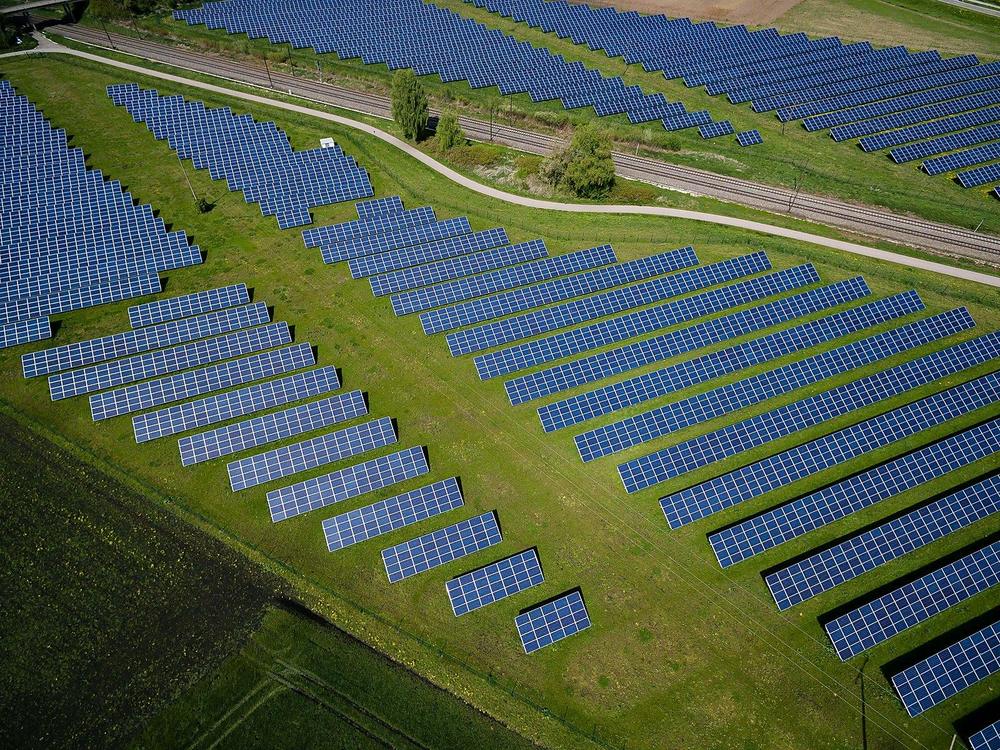
We model each structure against your own half-hourly consumption instead of an average, so you can see what a contract would actually have cost over the last three years instead of the number on the slide.
Then the terms get read properly before signature, including the clauses that only matter in year six.
Six stages, in order.
Position
We look at what you actually have. Metered output or half-hourly consumption, existing contracts, notice periods, credit position, and what the board needs the deal to achieve.
Model
Each structure is run against your own data, not an average, so you can see what a contract would have cost over the last three years instead of the number on the slide.
Market
We take a defined proposition to the offtakers, suppliers or generators who will realistically price it, and run it as a competitive process with a deadline on it.
Structure
Offers are compared on one basis: price, term, volume risk, indexation, REGO treatment, credit support and termination. Then the terms get negotiated, not accepted.
Shape and balance
Generation never matches consumption hour for hour. We set out who carries the mismatch, what the top-up costs, what happens to surplus, and how storage or flexibility narrows the gap.
Run
The contract goes live and someone has to watch it. Settlement checks, volume reconciliation, indexation reviews, and a plan for the extension before the market decides for you.